

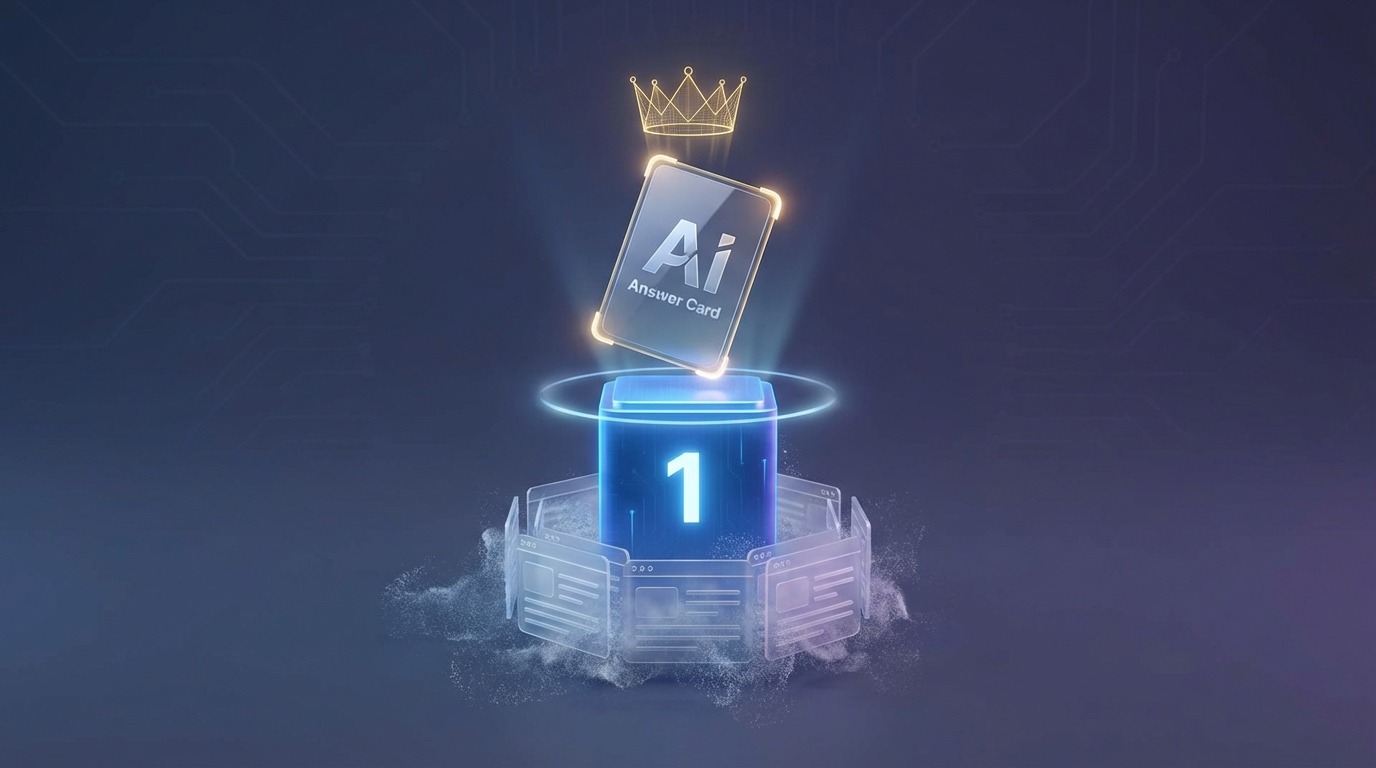

In today’s digital-first landscape, Artificial Intelligence (AI) in marketing has become one of the most talked-about innovations. From automated content creation to predictive analytics, AI promises to revolutionize how brands connect with their audiences.
But for growing brands and startups, a critical question remains:
Is AI truly a game-changer—or just another overhyped trend?
This blog breaks down the real impact of AI in marketing, separating hype from reality, and helping you understand how to use it strategically for business growth.
What is AI in Marketing?
AI in marketing refers to the use of machine learning, data analytics, and automation tools to improve decision-making, personalize customer experiences, and optimize campaigns.
It powers everything from:
Chatbots and customer service automation
Personalized product recommendations
Ad targeting and optimization
Content generation and copywriting
For growing brands, AI offers one major advantage:
The ability to scale smarter, not harder
The Hype Around AI in Marketing
Let’s start with what the marketers are promising!
1. AI Will Replace Marketers
There’s a widespread belief that AI will completely automate marketing functions, from strategy to execution.
2. Instant Growth with AI tools!
Many tools claim that simply plugging in AI will boost conversions, traffic, and ROI overnight.
3. One Tool Does It All
From content creation to analytics, AI platforms often market themselves as all-in-one solutions.
4. Zero Effort Marketing
The biggest myth: AI can run your marketing on autopilot.
The Reality: What AI Actually Does
Here’s one truth:- AI is powerful, but it’s not magic.
1. AI Enhances, Not Replaces Strategy
AI can generate content, analyze data, and automate tasks—but it lacks human intuition, creativity, and brand understanding.
Real growth comes when AI supports human strategy, not replaces it.
2. Data Quality Determines Results
AI tools are only as good as the data you feed them.
Poor targeting → Poor recommendations
Weak brand positioning → Generic outputs
Without strong inputs, AI produces average, forgettable marketing
3. AI Saves Time, Not Thinking
AI can: Write first drafts, suggest Ad creatives, Automate Reports but it cannot, Define your brand voice, understand emotional triggers deeply or build long-term brand positioning
You still need strategic thinking and creative direction– which means a human marketeer
4. AI Works Best with Clear Systems
AI performs best when your marketing already has: Defined funnels, Clear audience personas, and Consistent messaging
Without structure, AI amplifies confusion not clarity.
Where AI Actually Delivers Results
Now let’s talk about where AI truly shines for growing brands.
1. Performance Marketing & Ad Optimization
AI tools can: Optimize Meta & Google Ads in real-time, Identify high-performing audiences, and Adjust bids and placements automatically
Result: Better ROI and reduced ad wastage
2. Personalization at Scale
AI enables: Personalized email campaigns, Dynamic website content, and Product recommendations.
Result: Higher engagement and conversions
3. Content Ideation & Speed
AI helps generate:, Blog outlines, Social media ideas, and Ad copy variations
Result: Faster execution and consistent content output
4. Predictive Analytics
AI analyzes past behavior to predict: Ad copy variations, Customer preferences, Purchase patterns, and Campaign performance
Result: Smarter decision-making
Where AI Falls Short
Understanding limitations is key to using AI effectively.
1. Lack of Original Creativity
AI often produces: Generic messaging, Repetitive ideas, Safe, non-differentiated content
It doesn’t create brand-defining ideas
2. Weak Emotional Intelligence
Marketing is deeply psychological.
AI struggles with: Cultural nuances, Emotional storytelling, Human relatability
This is where human creativity wins
3. Over-Reliance Can Damage Brand Identity
Using AI without control can lead to: inconsistent tone Loss of brand uniqueness and “Same as everyone” content
AI should assist—not define—your brand voice
How Growing Brands Should Use AI (The Smart Way)
For startups and scaling businesses, the goal is not to use AI everywhere—but to use it strategically.
1. Use AI for Execution, Not Direction
Let AI handle: Drafting, Automation and Data analysis But keep: brand voice, strategy, creative decisions, and is human-led
2. Build a Strong Brand Foundation First
Before using AI, you should define your target audience, brand positioning, and the messaging tone because
AI performs best when your brand is already clear
3. Combine AI with Human Creativity
The winning formula is:
AI Efficiency + Human Insight = High-Impact Marketing
4. Focus on ROI, Not Trends
Don’t use AI just because it’s trending.
Ask:
Is this improving conversions?
Is this saving time or money?
Is this strengthening our brand?
If not, it’s just noise
AI Tools Every Growing Brand Should Explore
While tools should be selected based on your needs, here are key categories:
Content Creation Tools – For blogs, captions, and ad copy
Ad Optimization Platforms – For performance marketing
CRM & Automation Tools – For email and customer journeys
Analytics Tools – For data-driven decisions
The goal is integration—not overload
Future of AI in Marketing
AI will continue to evolve, but one thing is clear, Brands that rely only on AI will blend in and Brands that combine AI with strategy will stand out
The other main thing is that future belongs to marketers who can think creatively, use data intelligently and leverage AI strategically.
At Tevar Media, we believe:
Growth doesn’t come from tools; it comes from how you use them.
We combine AI-powered execution with human-led strategy to help brands:
Scale faster, Stand out stronger, and Convert better
For more; Tevarmedia.com
Leave a Reply